
Specialized Support
Expert care for Autism, ADHD, and developmental delays.
Nurturing growth and potential
Our individualized approach focuses on meeting children where they are. We believe therapy works best when it feels like play, using evidence-based techniques to foster genuine growth.
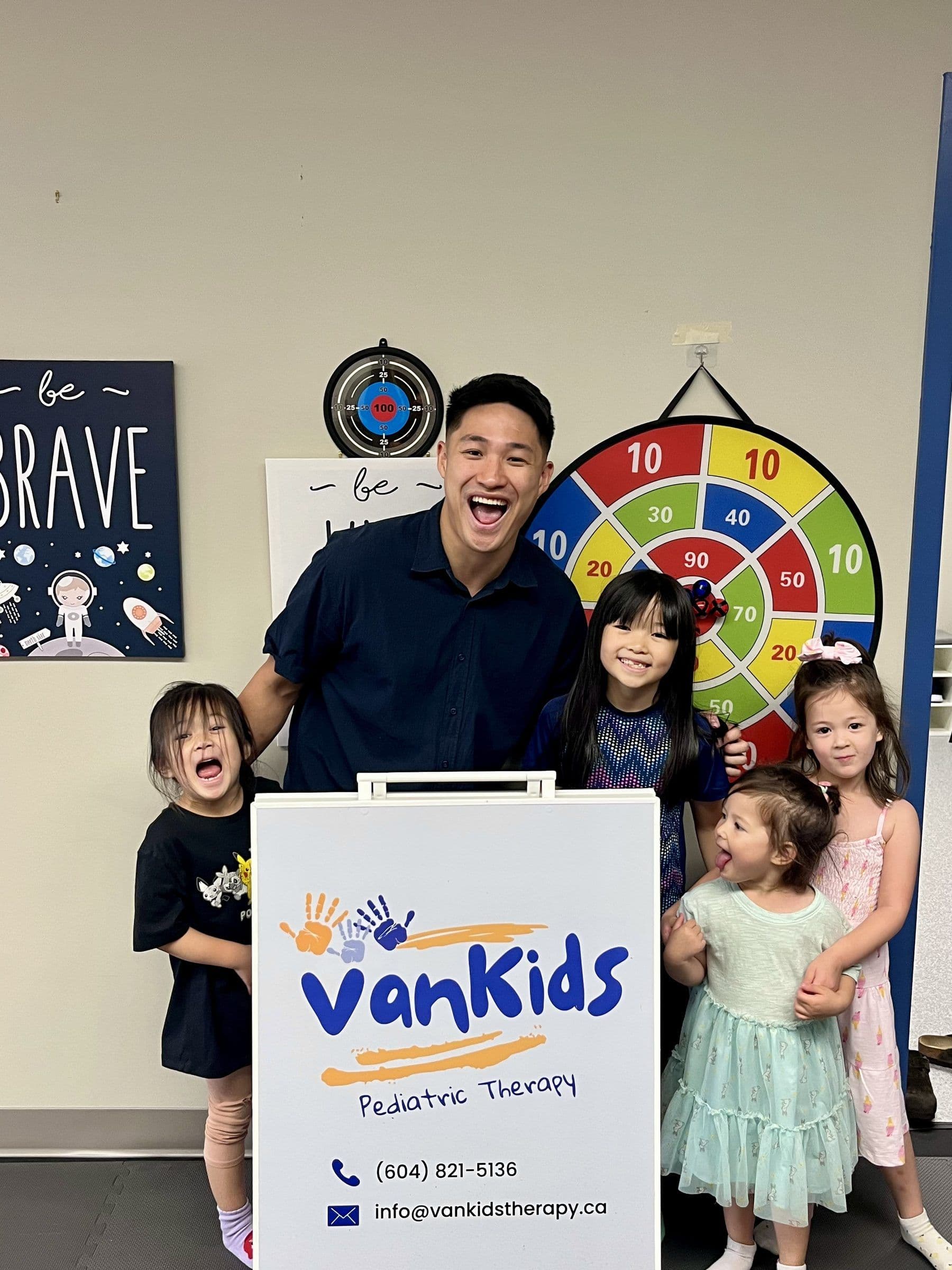
About Our Clinic
Our individualized approach meets each child and youth, ages 2–19, where they are. We support children with developmental disabilities, delays, and other challenges through play-based, evidence-informed therapy that builds on their strengths, interests, and unique needs. We believe therapy is most effective when children feel comfortable, engaged, and empowered to learn through play, fostering meaningful skills, confidence, and genuine growth.
Expert care for Autism, ADHD, and developmental delays.
Developing skills for daily living and social participation.

We address the foundational skills that allow children to navigate their world with confidence.
Developing self-awareness, sensory strategies, and coping tools to help children manage energy levels, emotions, and daily stress in ways that honor their unique processing styles.
Identifying and understanding emotions while building gentle strategies to navigate overwhelming feelings and burnout.
Recognizing internal energy shifts and finding sustainable ways to maintain focus, alertness, and participation.
Tuning into sensory inputs from both the surrounding environment and internal body cues to support comfort and well-being.
Reading internal body signals—such as hunger, heart rate, muscle tension, and bladder cues—to advocate for personal needs and rest.
Building hand strength, dexterity, and finger coordination to support everyday writing, drawing, typing on a keyboard, cutting with scissors, turning a key in a lock, and managing clothing fasteners like buttons and zippers.
Supporting whole-body strength, balance, coordination, posture and motor planning so kids can move safely, play comfortably on the playground, and navigate physical environments with confidence.
Understanding how a child's unique nervous system receives and interprets sensory information, helping families build supportive home and school environments that accommodate sensory preferences and reduce overload.
Fostering practical cognitive strategies—such as planning, organization, flexible thinking, and working memory—to help children navigate schoolwork, multi-step tasks, and daily home routines with ease.
Fostering age-appropriate independence in essential daily routines, including dressing, self-feeding, personal hygiene, and toileting, while honoring sensory comfort.
Navigating social dynamics, discovering personal communication styles, and learning to read social cues to build and sustain authentic, fulfilling friendships while feeling confident in oneself.
Our sensory gym provides a playground for skill development.
Engaging online sessions that bring therapy directly to the comfort of your home.
Integrated support within the child's natural learning and living environments.
Rooted in the science of Neuroplasticity, our methodology focuses on creating meaningful neural connections through purposeful engagement.
We find what sparks your child's interest and build therapy around it.
Predictable environments help children feel safe and ready to learn.
Skills are practiced consistently until they become second nature.
Goals are always centred on real-life independence and joy.
Occupational Therapy (OT) is a regulated health profession that supports children and youth in developing the skills they need for everyday life, including play, learning, self-care, movement, and social participation. Occupational Therapists complete a Master's degree and must be registered with their provincial regulatory college (CHCPBC).
You may consider an OT assessment if your child is experiencing challenges with attention, emotional regulation, motor skills, social skills, sensory processing, or daily routines such as dressing, eating, or handwriting.
We work with children and youth from early childhood through adolescence (ages 2–19).
Each session is 60 minutes in total and includes approximately 50 minutes of direct therapy, 5 minutes of caregiver consultation, and 5 minutes of documentation and planning.
Families may use their extended health benefits to help cover the cost of occupational therapy services, provided that their specific insurance plan includes occupational therapy coverage. We work with clients who have coverage through insurers such as Manulife and Sun Life, as well as other extended health insurance providers. Coverage and reimbursement amounts vary depending on the individual plan. Families are encouraged to confirm their OT coverage directly with their insurance provider before beginning services.
The first visit is a play-based, rapport-building assessment. We observe your child during natural play and structured activities while also speaking with caregivers about your concerns, goals, and priorities.
No, a doctor's referral is not required. Families can contact VanKids directly to book an assessment or consultation.
Yes — parent involvement is often encouraged during therapy sessions. Having parents present can help support carryover of strategies at home and improve collaboration throughout the therapy process.
Assessments may include a combination of standardized assessments and/or informal, play-based observations to better understand your child's strengths, challenges, and developmental needs.
Hear from the families we've supported on their therapy journey.
We are so grateful to have found Leo Tam as our son's occupational therapist. From the very beginning, Leo has been incredibly patient, caring, and understanding. He has a special way of connecting with children, and our son quickly built trust with him and genuinely enjoys every session. Through playing and working with Leo, we have seen significant improvements in our son's emotional regulation, confidence, and overall development. The therapy process felt natural and engaging because Leo always made our son feel comfortable and supported. As parents, nothing makes us happier than seeing our child become more confident and emotionally balanced. We truly appreciate Leo's dedication and the positive impact he has had on our son's growth. We highly recommend Leo to any family looking for a compassionate and professional occupational therapist. Thank you, Leo, for making such a meaningful difference in our son's life!
Start your child's journey today with a complimentary consultation. No referrals needed.