Who We Support
We support children and youth with a wide range of strengths, challenges, diagnoses, and support needs, including:
We also support children and youth without a formal diagnosis who may be experiencing challenges in daily life.
How Occupational Therapy Helps
Through play, we help children develop the skills they need to thrive at home, at school, and in the community. Areas we commonly support include:
- Fine Motor Skillshandwriting, drawing, scissor use, feeding utensils, hand strength, and dexterity
- Gross Motor Skillsbalance, hand-eye coordination, postural stability, and core strength
- Self-Regulationemotional awareness, flexibility, confidence, and coping strategies
- Sensory Processingunderstanding sensory needs and developing regulation strategies
- Executive Functioningacademic skills, attention, organization, and problem-solving
- Self-Care Skillsdressing, feeding, toileting, and daily routines
- Social Participationsocial understanding, communication, and managing anxiety
We are a family-centred practice and take pride in supporting parents and caregivers throughout their child's developmental journey. Services are offered in-clinic in Richmond, as well as through home, school, and community-based visits.
Our Philosophy
At VanKids Pediatric Therapy, our approach is grounded in the science of neuroplasticity — the brain's ability to grow, adapt, and form new connections through experience. We design therapy that is:
Engaging & Novel
Introducing new and motivating experiences to promote learning.
Well-Graded
Carefully adjusting the level of challenge to match each child's abilities.
Repetitive with Purpose
Providing the right amount of practice to strengthen new skills.
Meaningful
Centred around activities that matter to the child.
"Through this approach, we support lasting skill development by helping the brain build and reinforce new pathways over time. Equally important is the therapeutic relationship. We take a neurodiversity-affirming approach that respects each child’s individual differences, preferences, and needs."
Connection drives engagement. Engagement is the foundation for meaningful learning and growth.
Specialized Framework
DIR Floortime®
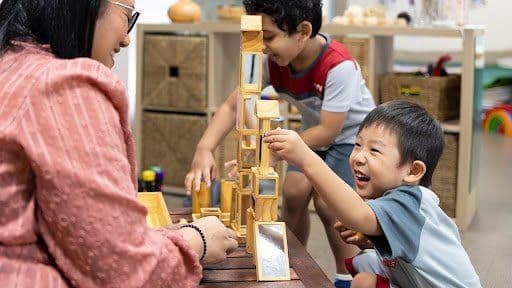
DIR Floortime® is a child-led, relationship-based approach developed by Dr. Stanley Greenspan and Dr. Serena Wieder. It supports social, emotional, communication, and developmental growth through play and meaningful connection. Rather than teaching skills in isolation, it focuses on engagement, interaction, and shared attention as the foundation for learning.
What DIR stands for:
Developmental
Understanding the child’s developmental stage and building foundational skills such as engagement, communication, and emotional regulation.
Individual Differences
Considering how each child processes sensory information, communicates, moves, and learns in their own unique way.
Relationships
Using safe, trusting relationships with caregivers and therapists as the core foundation for learning and development.
Therapy follows the child’s interests and motivations, using play-based interactions to support communication, emotional regulation, and social engagement.
At VanKids Pediatric Therapy, DIR Floortime® principles are used to help children build confidence, strengthen relationships, and participate more fully in daily life.